The most anticipated title from Rockstar Games is set to release in just under a month, and speculation about the studio’s future has surged. This is not surprising, as Grand Theft Auto VI is expected to be the most significant video game release in the modern gaming industry. Furthermore, the existence of Grand Theft Auto VI is projected to negatively affect the U.S. economy due to a loss of workplace productivity, costing approximately $1 billion each day.
Given Grand Theft Auto VI’s estimated budget of $2 billion, it is safe to say that a lot is riding on the game’s success, even if many believe it will be a guaranteed hit. What follows after the release of Grand Theft Auto VI remains uncertain, but its success will undoubtedly influence Rockstar. Despite this, rumors continue about what Rockstar Games’ next title will be. Considering current trends among mainstream gamers, it may be in Rockstar Games’ best interest to minimize Grand Theft Auto VI’s impact on future titles.
Rockstar Games Has a New Hurdle To Climb
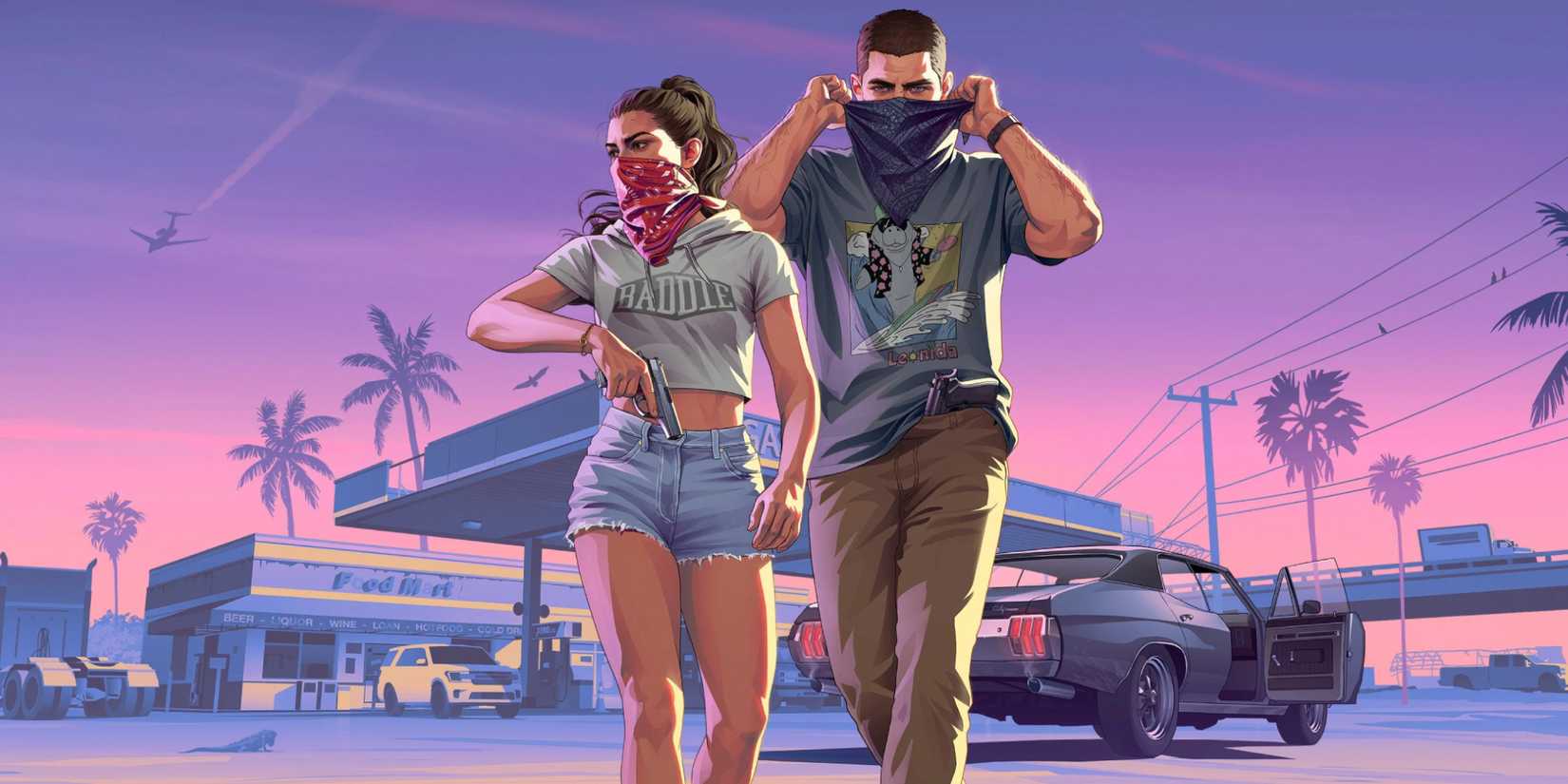
Image via Rockstar Games
The gaming industry and its audience have changed rapidly over the past decade. Most modern games incorporate some form of live-service features, microtransactions, free-to-play models, or heavy reliance on online connectivity. This shift is evident in the success of titles like Resident Evil: Requiem, as well as the rise of indie games like Hollow Knight: Silksong. Grand Theft Auto VI seems to embody everything that makes the series iconic and aligns with what players desire from AAA single-player games.
Rockstar Games’ next title is expected to be another single-player adventure. However, the enormous shadow cast by Grand Theft Auto VI may lead to their next game being less ambitious. A common wish among dedicated fans is for Rockstar to revive classic franchises like Max Payne and Bully. This sentiment has persisted since the beginning of Grand Theft Auto VI’s development and, while understandable—especially for older gamers—reviving old franchises might not align with Rockstar Games’ best interests.
The Debatable Firepower of Nostalgic Franchises
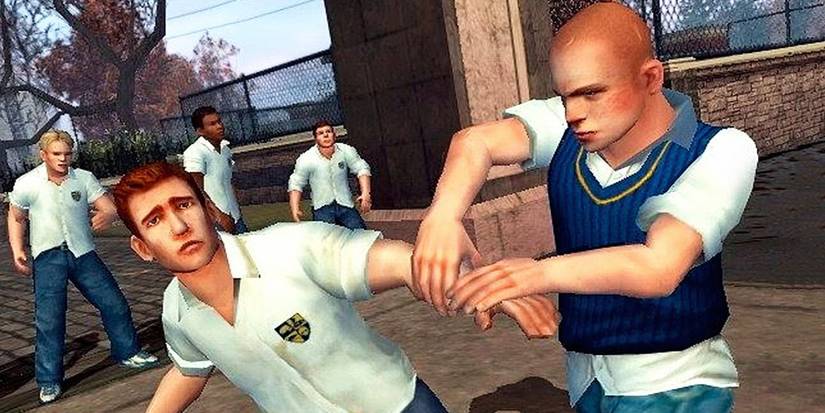 Image via Rockstar Games
The franchise of Max Payne has performed relatively well, with its third installment, Max Payne 3, earning only $4 million in revenue during its first year but eventually reaching its break-even point through digital storefronts like Steam. This slow revenue stream led Take-Two Interactive and some Rockstar Games executives to consider Max Payne 3 a commercial failure. There is certainly a place for a franchise like Max Payne in today’s gaming industry. Well-crafted noir games have their niche, and nostalgia will undoubtedly attract an audience. The same applies to Bully, which was successful during its initial PlayStation 2 era and has maintained relevance thanks to platforms like Steam and support from online content creators introducing it to new generations of players. Like Max Payne, Bully would also likely find a respectable audience willing to purchase it. Unfortunately, reviving these old franchises may face challenges similar to those that led to the cancellation of development for Bully 2.
The revival of old franchises risks falling into a trap seen in Hollywood, where sequels, remakes, and reboots dominate pop culture. While it can be thrilling to see nostalgic properties continued with fresh perspectives, audiences are increasingly seeking new ideas and titles. For Rockstar Games, the past decade has been heavily focused on established franchises. Despite its critical acclaim, <em>Red Dead Redemption 2</em> is still a sequel, and Grand Theft Auto V‘s numerous updates could sustain it indefinitely. The last truly original IP from Rockstar was 2006’s Table Tennis, while LA Noire, often considered original, was developed by Team Bondi and merely published by Rockstar.
The thought of releasing a new title may cause hesitation behind the scenes, but new ideas inherently carry high risks and potential rewards for companies. Rockstar Games is long overdue for an entirely new original IP. The studio possesses the capability to develop and release a new game while having an audience ready to engage from day one. A new title from Rockstar would not need to compete directly with a massive game like Grand Theft Auto VI, yet it would still face hurdles regarding player expectations.
New IPs May Be the Way To Go
AAA games from Rockstar are expected to lead industry innovation by introducing elements that have not been seen before. These games also need captivating narratives along with engaging worlds and gameplay that keep players returning beyond just the main story. While these expectations are significant, Rockstar has met them in many ways with their previous titles and will likely continue doing so with any new game. Currently, there has been no official confirmation regarding a new IP from Rockstar Games. However, rumors suggest that a project titled Project Medieval, which appears to focus on melee combat within a Medieval setting—a departure from Rockstar’s usual themes—was under development.
In 2025, it was revealed that while Project Medieval existed, it did not progress beyond conceptual development. Ultimately, gamers can only speculate about what lies ahead. The release of Grand Theft Auto VI will likely extend into 2027, but after that point, anything could occur. While there remains potential for old franchises from Rockstar Games to return, there is also a strong possibility that a new IP could be underway. With the release of Grand Theft Auto VI potentially freeing up developers’ schedules at Rockstar, it’s conceivable that they could work on both a reboot or remake alongside developing an entirely new game—only time will tell.